
Biology : 10th Grade 10 Sections41 Lessons365 Days
1.1. Sub-Fields of Biology
Sub-Fields of Biology
Lesson Competencies
At the end of the lesson you will be able to:
Define Biology as the scientific study of life.
Explain the importance of biology in our everyday lives in Ethiopia.
Differentiate between major branches like microbiology, genetics, ecology, zoology, and botany.
Identify potential career pathways in various biological fields within Ethiopia.
Key Terms
Biology
The scientific study of living organisms and their vital processes.
Botany
The sub-field of biology that focuses on the study of plants (e.g., Teff, Coffee).
Zoology
The sub-field of biology dedicated to the study of animals (e.g., Ethiopian Wolf, Gelada).
Genetics
The study of heredity, DNA, and the variation of inherited characteristics.
Microbiology
The study of microscopic organisms like bacteria, viruses, and fungi (e.g., Yeast in Injera).
Ecology
The study of how organisms interact with each other and their physical environment.
Video Lesson
Core Lesson: Exploring the Tree of Life
Introduction
Dear learners,
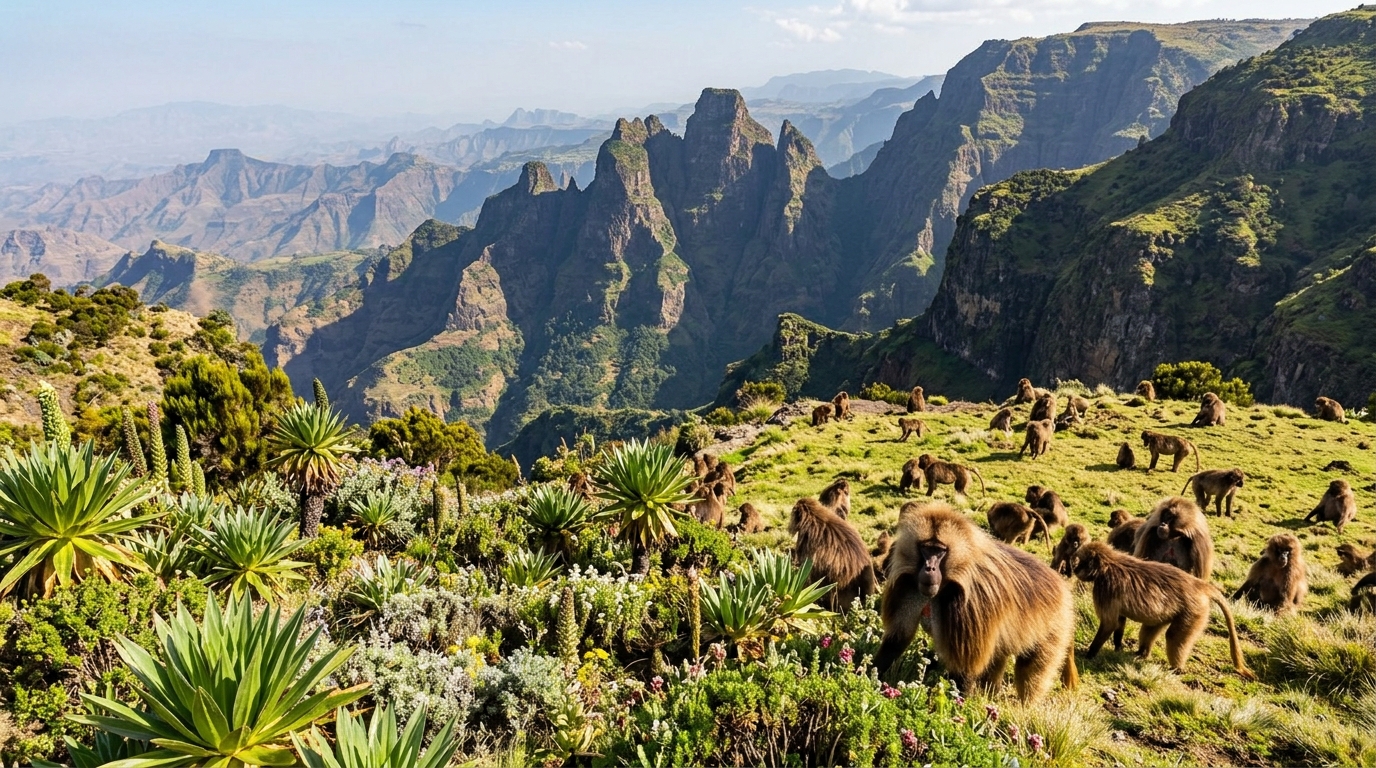
Imagine hiking through the breathtaking Simien Mountains. You see a magnificent Walia Ibex leaping across the cliffs, ancient Giant Lobelia plants reaching for the sky, and you breathe in the crisp, clean air produced by the surrounding ecosystem. Everything you see, feel, and interact with involves life. The scientific study of this life is called Biology!
Because life on Earth is so incredibly diverse—from the giant African elephants to the invisible bacteria fermenting our delicious Enjera—biology is broken down into specialized branches, or sub-fields.
The Major Branches of Biology
1. Botany
The study of plants. Botanists in Ethiopia study our unique flora, from discovering how to improve the yield of Teff to preserving wild Coffee Arabica in the Kaffa region.

2. Zoology
The study of animals. Zoologists track and protect endemic species like the Ethiopian Wolf in the Bale Mountains and study their behavior and anatomy.

3. Microbiology
The study of microscopic life. Microbiologists research the yeast cells used in baking, or study bacteria and viruses to develop medicines and keep our communities healthy.
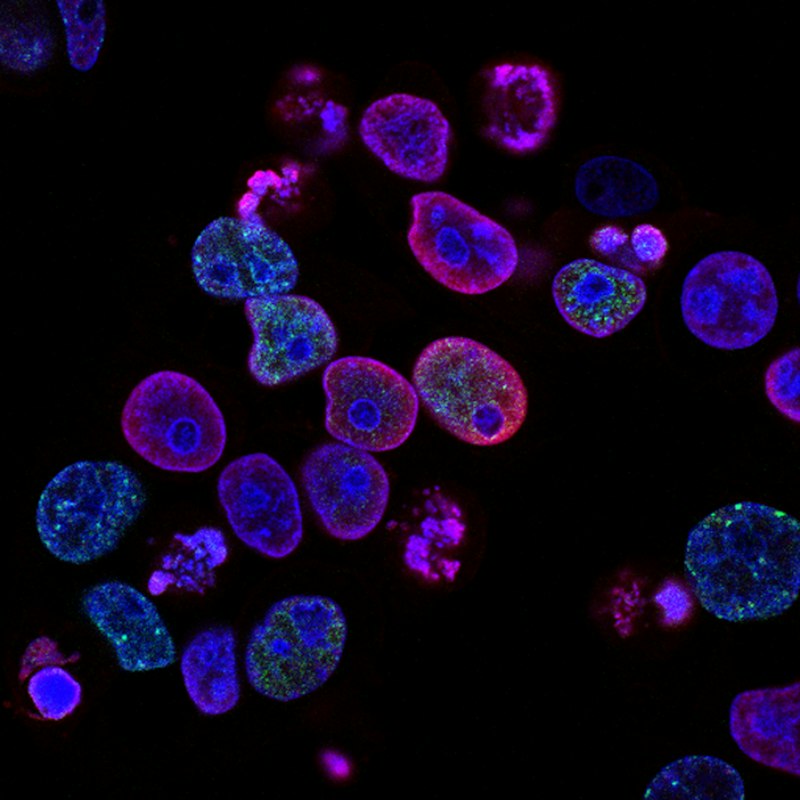
4. Genetics
The study of DNA, genes, and heredity. Geneticists work to understand how traits are passed down, helping farmers create drought-resistant crops to ensure food security.

5. Ecology
The study of ecosystems. Ecologists examine how organisms interact with their environment, such as how the fish, birds, and water quality connect in the Rift Valley Lakes.

Careers in Biology
Studying biology opens many doors in Ethiopia! You could become an Agricultural Researcher at the Ethiopian Institute of Agricultural Research (EIAR), a Medical Microbiologist working in a hospital laboratory, or a Wildlife Conservationist protecting our national parks.
Visualizing the Fields
Activity 1: Knowledge Check
Answer the following questions to test your understanding. (Question 1 of 5)
Activity 2: Tap-to-Place Classification
Tap a scenario to select it, then tap the correct biological branch drop-zone. (Item 1 of 5)
Research Scenario
Sub-Fields
Activity 3: Mixed Challenge
Read carefully and select the best answer! (Question 1 of 5)
Bio-Explorer: Tile Discovery
Tap a mystery tile, answer the question correctly to flip it, and reveal the hidden biological masterpiece underneath!

Lesson Summary
Biology is the scientific foundation that helps us understand all life on Earth.
It is deeply connected to our everyday lives, influencing our health, agriculture, and environmental conservation in Ethiopia.
Key sub-fields include:
- Botany (Plants)
- Zoology (Animals)
- Microbiology (Microscopic life)
- Genetics (Heredity and DNA)
- Ecology (Ecosystems)
These branches open up vital career paths that are crucial for the development and sustainability of our nation.
Final Assessment
Let’s see what you’ve learned! (Question 1 of 5)
Competency Checklist
Check off the skills you have mastered today: