
Citizenship: 7th Grade 10 Sections35 Lessons365 Days
1.1 The Essence of Citizenship
The Essence of Citizenship
Citizenship Grade 7
Lesson Competencies
At the end of the lesson you will be able to:
Define the concept of Citizenship clearly.
Identify the rights and responsibilities of an Ethiopian citizen.
Explain how one acquires citizenship in our country.
Appreciate the value of active community participation.
Key Terms
Citizenship
The legal status of being a recognized member of a particular country, like Ethiopia.
Constitution
The supreme law of the land that outlines the rights and duties of the citizens.
Rights
Freedoms and privileges guaranteed by the government, such as the right to education.
Responsibilities
Duties citizens must perform, like paying taxes and protecting historical heritage.
Video Lesson
Watch this brief introduction to community and citizenship.
Core Lesson: What Makes a Citizen?
Introduction
Dear learners,
Imagine living in a beautiful neighborhood in Addis Ababa. In this neighborhood, everyone helps keep the streets clean, supports each other during holidays like Timkat or Eid, and follows the community rules. This sense of belonging and duty is exactly what Citizenship is about on a national level!
The Story of Abebe
Abebe is a Grade 7 student. He plants trees during the rainy season and always stands respectfully when the Ethiopian national anthem is played. Abebe isn’t just living in Ethiopia; he is practicing good Citizenship by participating in his community.
Citizenship is more than just a passport. It is a relationship between you and your country. The country protects you, and in return, you have duties towards the country.
Rights (What you receive)
- Right to life and security.
- Right to education and health.
- Freedom of speech and religion.
Responsibilities (What you give)
- Respecting the Constitution.
- Protecting public property and heritage (like the Obelisks of Axum).
- Paying taxes when you start working.
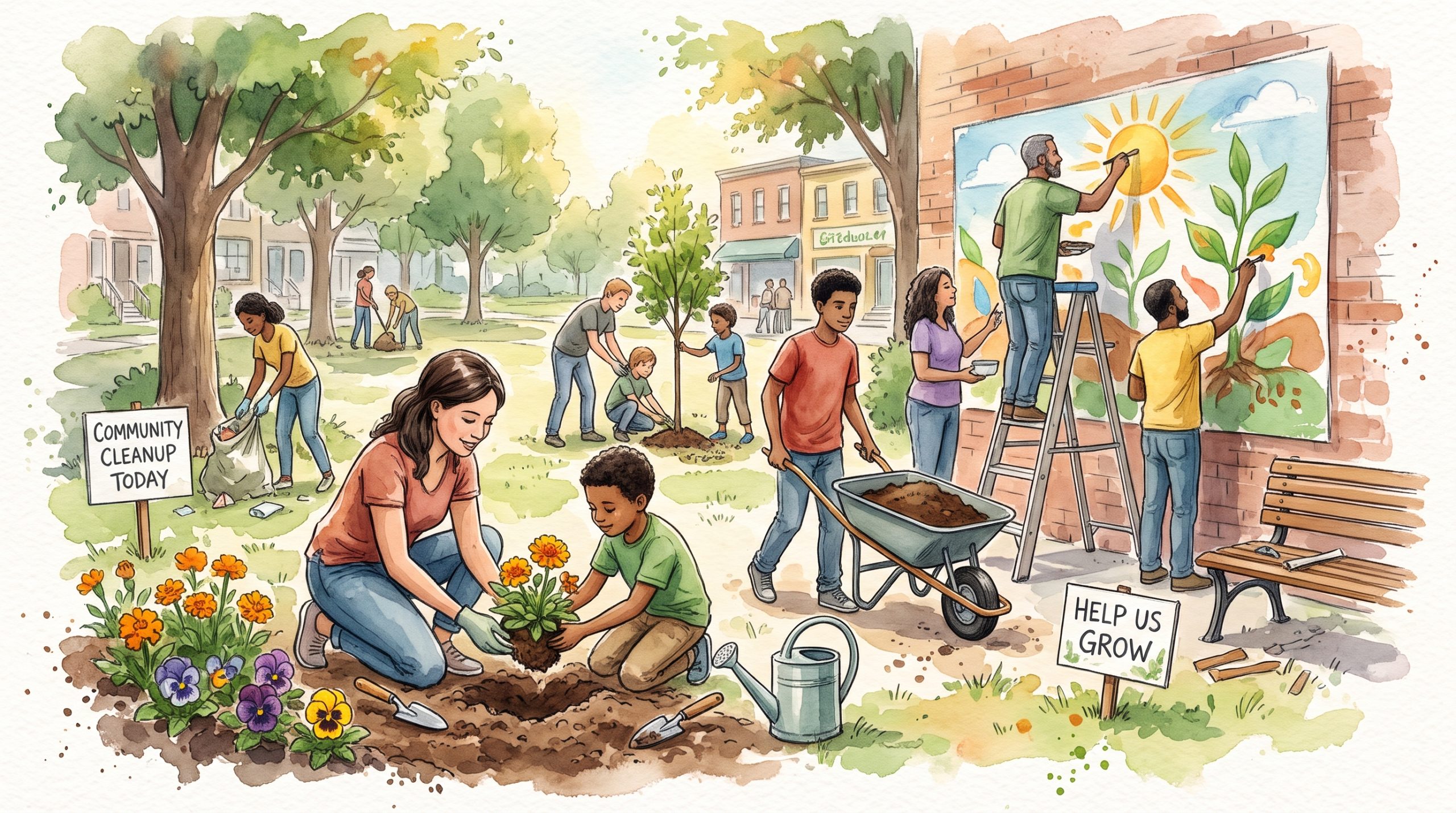
Visualizing Citizenship
Educational Game: The Citizen Sorter
Tap an action below to select it, then tap the correct box to place it! Sort them into “Good Citizenship” or “Not Good Citizenship”.
Actions to Sort
Good Citizenship
Not Good Citizenship
Activity 1: Knowledge Check
Test your understanding of the core concepts. (Question 1 of 5)
Activity 2: Complete the Sentences
Select the correct Key Term from the dropdowns to complete the statements.
Activity 3: Scenario Challenge
Read the situations and answer. (Question 1 of 5)
Lesson Summary
Citizenship is the legal bond between an individual and a state, providing identity and belonging.
As citizens, we are granted Rights (like education and protection) by our government.
In exchange, we have Responsibilities, such as obeying laws, respecting the Constitution, and contributing to the community.
Being a good citizen in Ethiopia means respecting our diverse cultures, protecting our environment, and fulfilling our civic duties proudly.
Final Assessment
Let’s see what you’ve learned! (Question 1 of 5)
Competency Checklist
Check off the skills you have mastered in today’s lesson: