
Physics: Grade 9 11 Sections52 Lessons2 Quizzes365 Days
1.4. Historical Issues and Contributors
Unit 1. Physics and Human Society
Grade 9 Physics
Lesson Competencies
At the end of the lesson you will be able to:
Describe how physics emerged as a distinct subject from natural philosophy.
Identify major historical contributors to the field of physics.
Match prominent physicists (Newton, Faraday, Joule, Curie, Einstein) with their key discoveries.
Appreciate the historical evolution of scientific knowledge.
Key Terms
Natural Philosophy
The early philosophical study of nature and the physical universe, before modern science emerged.
Classical Physics
The branches of physics developed before the 20th century, including mechanics, thermodynamics, and electromagnetism.
Modern Physics
Physics developed in the 20th century and later, heavily influenced by quantum mechanics and relativity.
Radioactivity
The spontaneous emission of radiation by certain unstable atoms, a concept pioneered by Marie Curie.
Video lesson
Core Lesson: 1.1 Historical Issues and Contributors. The Story of Physics
Introduction
Dear Student,
Think of a bus traveling from Addis Ababa to Hawassa. How do we calculate its speed? Or consider the beautiful waterfalls of the Blue Nile; how does moving water generate electricity? The answers to all these natural phenomena lie in the fascinating subject of Physics!
How Physics Emerged as a Subject
Long ago, there was no separate subject called “physics.” Early thinkers in ancient times studied the world as a whole, a practice known as Natural Philosophy. Scholars would observe the stars up in the sky, falling objects, and the weather, trying to find logical explanations rather than relying on myths or traditional beliefs.
During the 16th and 17th centuries (during the time of the Scientific Revolution), scientists began using rigorous mathematics and experiments. This shift led to the birth of Classical Physics. By the 19th century, physics was officially recognized as a distinct scientific discipline.
Major Contributors and Their Discoveries
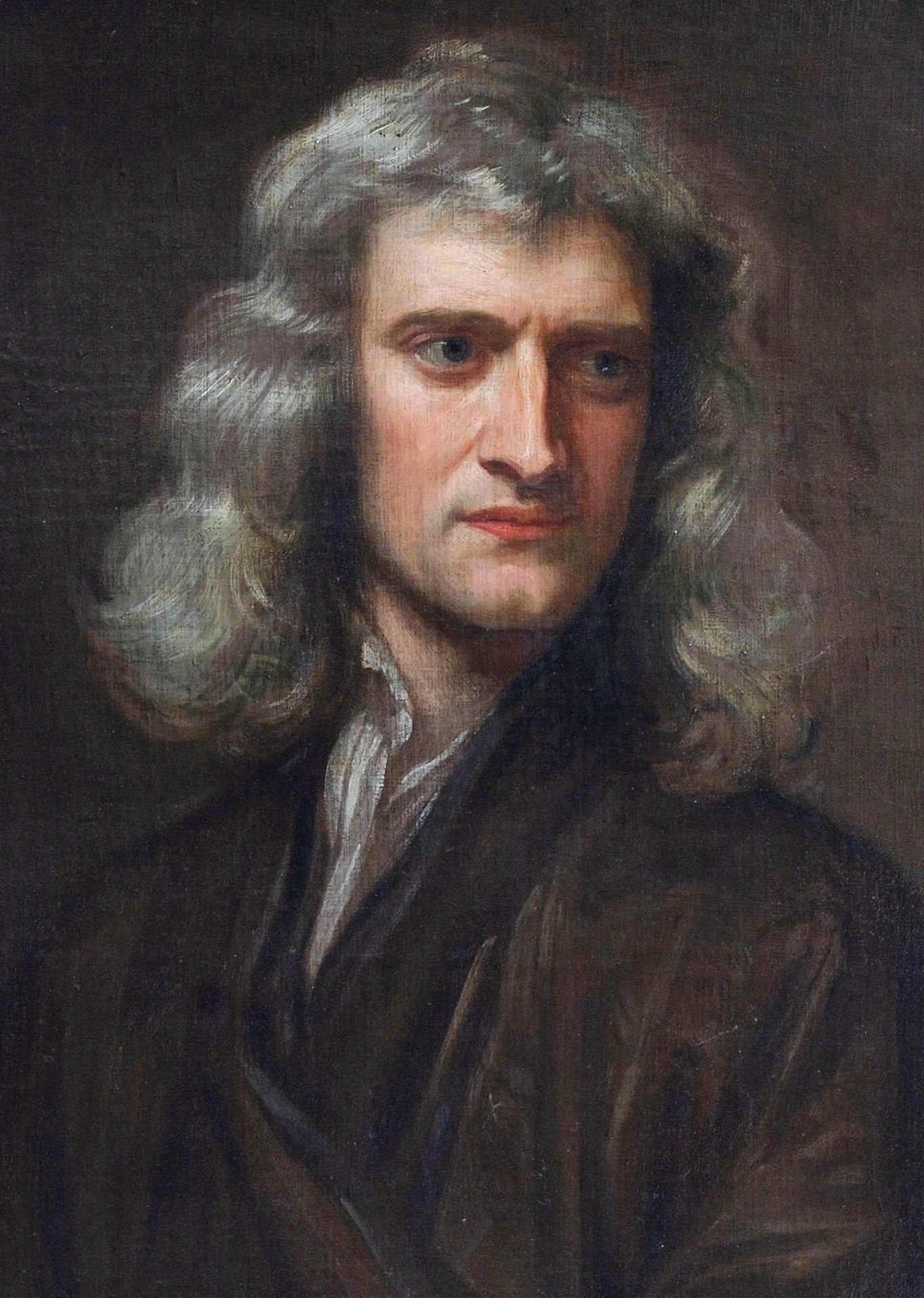
Isaac Newton (1642–1727)
Newton is famous for formulating the laws of motion and the universal law of gravitation. He explained why objects fall to the earth using the formula ( F = G frac{m_1 m_2}{r^2} ). His work laid the absolute foundation for mechanics.
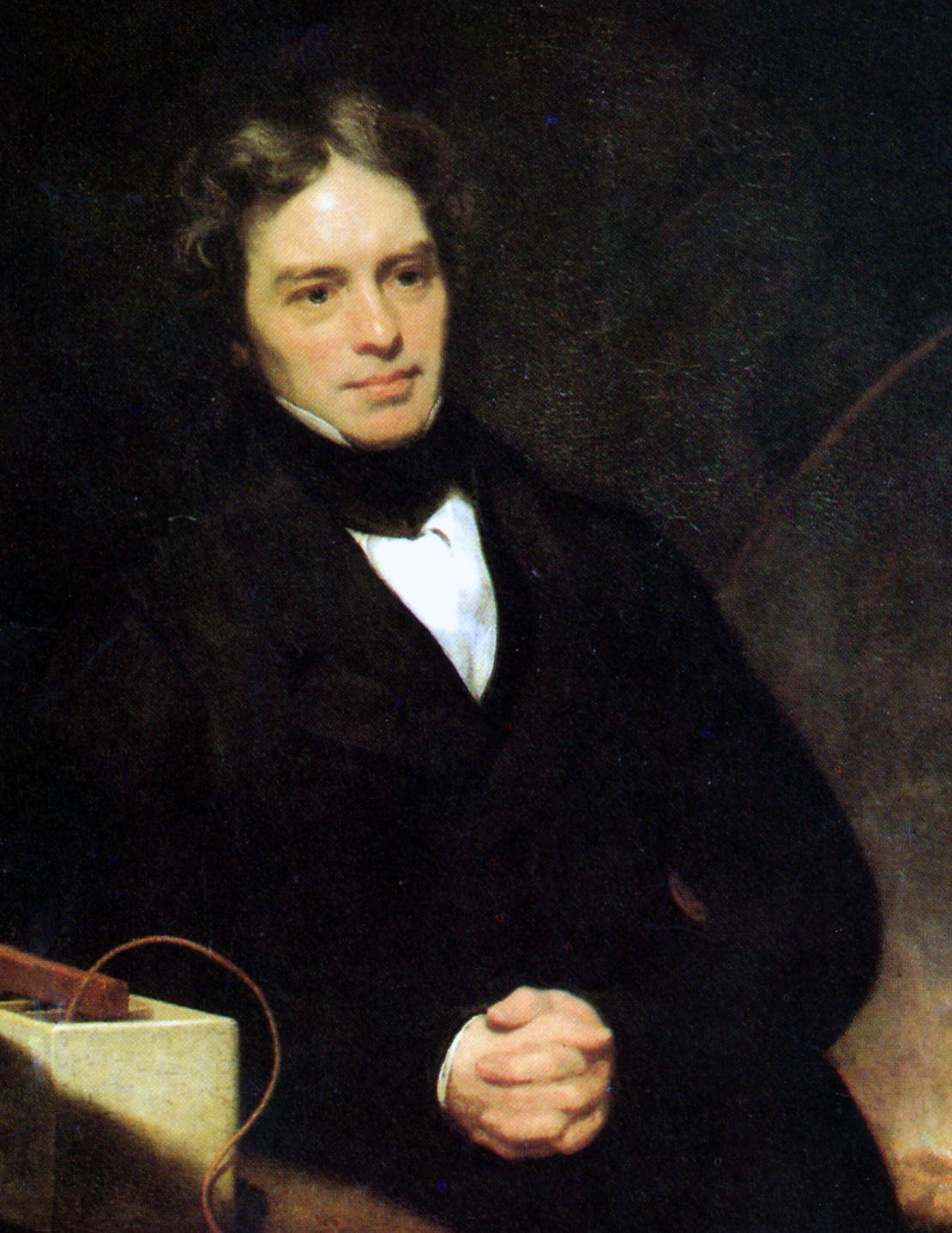
Michael Faraday (1791–1867)
Faraday discovered electromagnetic induction, showing that a changing magnetic field can produce electricity. This monumental discovery is the principle behind the electric generators and transformers we use today.

James Prescott Joule (1818–1889)
Joule proved that heat is a form of energy. He established the relationship between mechanical work and heat, leading to the law of conservation of energy. The SI unit of energy, the Joule (J), is named in his honor.

Marie Curie (1867–1934)
Curie conducted pioneering research on radioactivity (a term she coined). She discovered the elements polonium and radium. She remains the only person to win Nobel Prizes in two different scientific fields (Physics and Chemistry).

Albert Einstein (1879–1955)
Einstein completely transformed our understanding of space, time, and gravity with his Theory of Relativity. He also proposed the famous mass-energy equivalence formula ( E = mc^2 ) and explained the photoelectric effect.
Interactive Lab: Gravity Force
Explore Newton’s law of gravitation! Change the masses and see how the force of gravity adjusts.
Game: Match the Scientist
Tap to Select, Tap to Place: First tap a scientist’s name, then tap the correct discovery box to place them!
Scientists
Key Discoveries
Activity 1: Multiple Choice Questions
Activity 2: True or False Questions
Activity 3: Mixed Challenge Questions
Lesson Summary
Physics originated as a branch of Natural Philosophy before becoming a distinct, experimental science.
Classical Physics was built by pioneers like Isaac Newton (mechanics and gravity), Michael Faraday (electromagnetism), and James Prescott Joule (energy conservation).
Modern Physics revolutionized our understanding of the universe through the work of figures like Marie Curie (radioactivity) and Albert Einstein (relativity and mass-energy equivalence).
These discoveries paved the way for modern technologies like electricity, medical imaging, and nuclear energy.
Final Assessment
Competency Checklist
Check off the skills you have mastered today: